

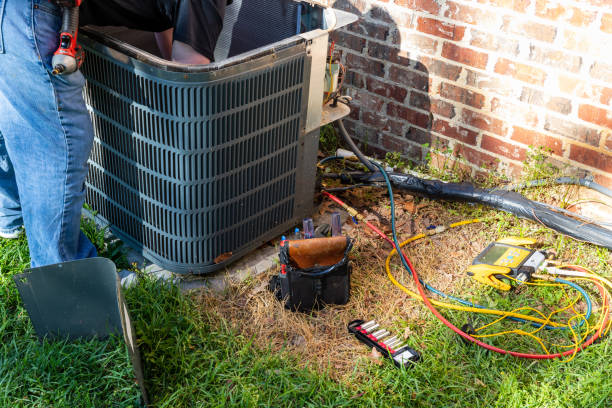
A dirty air conditioner can lead to reduced efficiency, higher energy bills, and an uncomfortable indoor environment. Understanding the common causes behind a dirty air conditioner can help homeowners take preventive steps to maintain their system and ensure optimal performance.
How Dust and Debris Can Impact Your HVAC Company Orlando, FL System
One of the most common causes of a dirty air conditioner is the buildup of dust, dirt, and debris on its components. Over time, particles from your home’s indoor air, as well as outdoor pollutants, can accumulate on:
– Air filters: Clogged or unchanged filters restrict airflow and allow dirt to settle inside the unit.
– Evaporator coils: Dust can coat these coils, reducing their ability to absorb heat effectively.
– Condenser coils: Located outdoors, condenser coils are particularly prone to collecting dirt from surrounding environments like grass clippings, leaves, or pollution.
Avoiding Orlando AC Repair by Keeping Up with Regular Maintenance
Air conditioning systems require routine maintenance to perform at their best. Some key reasons maintenance is often overlooked include:
– Forgetting annual inspections by an HVAC professional.
– Failing to clean or replace air filters (recommended every 1–3 months).
– Skipping coil cleaning services which reduce grime buildup over time.
Neglected systems not only operate less efficiently but are also more prone to frequent breakdowns.
How Poor Ventilation Can Signal the Need for Orlando FL Air Conditioning Repair
Improper airflow within your home contributes significantly to a dirty air conditioning unit. Lack of ventilation allows contaminants such as pet dander or cooking grease particles to circulate through your HVAC system repeatedly.
Tips for Improving Ventilation:
| Problem | Solution |
| Limited fresh airflow | Open windows periodically or install mechanical ventilation systems |
| Excessive humidity | Use dehumidifiers or ensure the system’s drainage lines are clear |
| Blocked vents/registers | Keep furniture or objects away from supply and return vents |
4. Outdoor Unit Exposure
The outdoor condenser unit of your air conditioning system is vulnerable to external environmental factors that can lead to dirt accumulation: – Plant growth: Shrubs or weeds near the condenser obstruct airflow while depositing dirt onto its surface. – Weather conditions: Heavy rainstorms may splash mud into the unit. – Pests: Birds or insects nesting in outdoor units can introduce debris into the system.
Maintaining a two-foot clearance around outdoor units helps reduce exposure risks.
5. Pet Hair and Dander Accumulation
For pet owners, shedding hair and dander are significant contributors to air conditioner dirtiness. These particles easily clog filters, coat interior components like fans/blades, and circulate allergens throughout your home’s space unless managed responsibly.
How Pet Owners Can Address This Challenge:
- Groom pets regularly outside the home when possible.
- Use high-quality HEPA-rated filters designed specifically for homes with pets.
- Vacuum carpets/floors frequently near return vents where shedding tends accumulates more heavily.
By identifying these common causes behind a dirty air conditioning system—and implementing preventive measures—you’ll extend its lifespan while avoiding costly repairs down road
The Role of Old or Pleated Air Filters in HVAC System Efficiency
Air filters play a crucial role in maintaining the efficiency and longevity of your HVAC system. Over time, filters can become clogged, outdated, or simply ineffective, especially if they are old or of poor quality, such as pleated filters. Understanding how these issues affect your heating and cooling system is essential for ensuring optimal performance.
Why Air Filters Matter for HVAC Systems
Air filters serve two primary purposes in an HVAC system:
1. Protecting the System: They prevent dust, dirt, and debris from entering sensitive components like coils and fans.
2. Improving Indoor Air Quality: Filters trap pollutants such as allergens, pet dander, and mold spores to provide cleaner air inside your home.
When air filters are not functioning correctly due to being old or overly restrictive (as can be the case with certain pleated designs), both of these purposes are compromised.
Problems Caused by Old or Inefficient Air Filters
- Reduced Airflow: Pleated filters, especially low-quality ones, can restrict airflow if they are too dense. Similarly, older filters may no longer allow adequate airflow due to accumulated dust and debris.
- Increased Energy Consumption: Restricted airflow forces the HVAC system to work harder to maintain desired temperatures. This often results in higher energy bills.
- Wear and Tear on Components: Overworking the system due to poor filtration increases strain on essential parts like fans and motors, potentially leading to costly repairs.
- Lower Indoor Air Quality: An ineffective filter allows more contaminants to circulate through the air, negatively impacting health—especially for individuals with allergies or respiratory conditions.
Choosing the Right Filter
| Filter Type | Pros | Cons |
| Fiberglass Filters | Affordable; suitable for basic use | Less effective at capturing smaller particles |
| Pleated Filters | Better at trapping fine particles | May restrict airflow; regular replacement needed |
| HEPA Filters | Excellent filtration for allergens | Can be expensive; may not fit all systems |
| Washable Filters | Reusable; cost-effective over time | Requires frequent cleaning |
When to Replace Your Filter
Replacing air filters regularly is one of the most straightforward ways to maintain your HVAC system’s efficiency. Recommendations include:
– Every 1–3 months for standard fiberglass or pleated filters
– Every 6–12 months for high-efficiency models like HEPA filters
Factors such as pet ownership, smoking indoors, or living in areas with high pollen levels might require more frequent replacements.
Preventive Maintenance Tips
To ensure optimal performance from both your air filter and your overall HVAC system:
– Check filter condition monthly during peak usage seasons (summer and winter).
– Consult an HVAC professional about compatible filter types for your specific unit.
– Avoid purchasing extremely cheap options that fail to deliver adequate filtration.
Investing in high-quality air filters and adhering to a consistent replacement schedule will not only protect your HVAC equipment but also improve energy efficiency while enhancing indoor comfort year-round.
The Role of Old or Pleated Air Filters in HVAC System Efficiency
Air filters are vital components of an HVAC system, as they help maintain indoor air quality and ensure the efficient operation of heating and cooling equipment. However, when air filters become old or are improperly selected—such as using pleated filters without consideration for your system’s specifications—they can negatively impact the performance and longevity of your HVAC system. Below is a breakdown of how old or pleated air filters affect efficiency, along with tips to address these issues.
How Old Air Filters Affect Performance
- Reduced Airflow: A clogged filter restricts airflow, forcing the HVAC system to work harder to circulate air throughout your home.
- Increased Energy Usage: Restricted airflow means longer operating cycles for your HVAC unit, leading to higher energy bills.
- Strain on Components: The added workload can cause stress on parts like the blower motor or compressor, increasing the likelihood of breakdowns.
- Decreased Indoor Air Quality: An old filter loses its ability to trap harmful particles effectively, allowing allergens and pollutants back into your living spaces.
Potential Issues with Pleated Air Filters
- Higher Resistance: Pleated filters typically have a higher Minimum Efficiency Reporting Value (MERV) rating, which can obstruct airflow in systems not designed for high-resistance filtration.
- System Compatibility: Older or less powerful HVAC systems may struggle with pleated filters that restrict airflow more than necessary. This mismatch can lead to overheating components or inefficient operation.
- Cost Considerations: Although they offer superior filtration performance, pleated filters tend to be more expensive than standard options and require regular replacement.
Best Practices for Optimizing Filter Performance
- Consult your HVAC manufacturer’s manual for recommended filter types and MERV ratings appropriate for your unit.
- Avoid using high-MERV pleated filters unless explicitly approved by the manufacturer.
- Replace standard fiberglass or pleated filters every 30–90 days depending on usage and environmental factors such as pets or allergies.
- Check monthly if you live in areas with heavy dust or pollen.
- If you prefer high-filtration options (e.g., HEPA-level filtration), consider upgrading your HVAC equipment to handle these advanced filter types efficiently.
- A sudden spike in energy costs or reduced airflow from vents could indicate a clogged filter that needs attention.
| Filter Type | Lifespan | Pros | Cons |
| Fiberglass Filters | 1–3 months | Affordable; basic filtration | Limited particle trapping |
| Pleated Filters | 1–3 months | Captures small particles well | Higher resistance; costlier |
| HEPA Filters | Varies | Superior filtration capability | May require compatible systems |
Final Thoughts on Filter Maintenance
Maintaining clean and appropriate air filters is essential for ensuring peak HVAC performance and prolonging its lifespan. By selecting the right filter type based on your system’s needs and replacing it on schedule, you can enjoy better energy efficiency, improved comfort levels, and healthier indoor air quality year-round.
Detecting and Addressing Leaky Air Duct Issues with an HVAC Contractor
Leaky air ducts are a common yet often overlooked issue that can significantly impact the efficiency and performance of your HVAC system. Identifying and addressing these problems promptly is essential for maintaining indoor comfort, reducing energy costs, and prolonging the life of your heating and cooling equipment. This section will explore how to detect leaky air ducts, why they occur, and how professional HVAC contractors can help resolve them.
Common Signs of Leaky Air Ducts
- Uneven Heating or Cooling: Certain rooms in your home may feel significantly warmer or cooler than others.
- Higher Energy Bills: A sudden or unexplained increase in energy bills might indicate that conditioned air is escaping.
- Reduced Airflow: Weak airflow from vents could suggest air loss through ductwork leaks.
- Excessive Dust: Dust accumulation throughout your home may point to unsealed or damaged ductwork pulling in debris.
- Noisy Ductwork: Whistling or unusual noises coming from your HVAC system might be caused by gaps or cracks in ducts.
What Causes Air Duct Leaks?
- Aging Materials: Over time, duct materials like metal joints or plastic flex ducts degrade, leading to wear and tear.
- Improper Installation: Poorly sealed connections during installation can increase the likelihood of leaks.
- Rodent Infestation: Animals such as mice or squirrels can chew through duct materials.
- Vibration Damage: Constant vibration from HVAC operation may cause seals to loosen over time.
- Thermal Expansion: Temperature changes cause the duct material to expand and contract, which may weaken seals.
Steps an HVAC Contractor Takes to Address Leaky Ducts

- Contractors use specialized tools like smoke pencils or pressure gauges to identify leak areas.
- They may perform a blower door test to measure overall efficiency losses due to leakage.
- Common methods include applying mastic sealant or using metallic tape on smaller gaps.
- For larger issues, professionals might recommend reinforcing sections with new fittings.
- If uninsulated ducts contribute to performance issues, technicians add insulation materials around them for better thermal resistance.
- Dusty coils or dirty filters resulting from leaks may require cleaning during repairs for optimal airflow improvement.
- After sealing leaks, contractors retest airflow levels and system performance using diagnostic tools.
Benefits of Repairing Leaky Air Ducts
| Benefit | Description |
| Improved Energy Efficiency | Sealing prevents conditioned air from escaping, reducing wasted energy use |
| Enhanced Comfort | Restores balanced airflow across all rooms in your home |
| Lower Utility Bills | Reduced energy consumption translates into cost savings |
| Better Indoor Air Quality | Prevents dust, allergens, or pollutants from entering through damaged ducts |
Addressing leaky air ducts requires expertise that only a qualified HVAC contractor can provide efficiently and safely. By partnering with professionals who use advanced tools and techniques, you ensure long-term reliability while maximizing comfort levels within your living space.
How Dirty Condenser Coils Affect Your Air Conditioning Performance
Dirty condenser coils can significantly impede the performance of your air conditioning system, leading to higher energy costs, reduced cooling efficiency, and potential system failure. As a critical component of your HVAC system, the condenser coils are responsible for releasing heat absorbed from your home to the outside. When these coils become coated with dirt, dust, and debris, their ability to dissipate heat effectively diminishes.
Common Issues Caused by Dirty Condenser Coils
- Dirty coils force the air conditioner to work harder to maintain desired indoor temperatures.
- Increased energy consumption leads to higher electricity bills.
- A dirty coil can’t effectively transfer heat out of the system.
- This results in warmer indoor temperatures and longer cooling cycles.
- An overworked compressor caused by dirty coils may face undue stress.
- Over time, this can shorten the lifespan of your HVAC system.
- Dirt buildup can insulate the coils, trapping heat inside the unit.
- This may cause overheating issues or even trigger a complete shutdown.
Symptoms Indicating Dirty Condenser Coils
- Rising energy bills without increased usage.
- The air conditioning unit runs continuously without adequately cooling.
- Warm air blowing from vents instead of cool air.
- Unusual noises coming from the outdoor condenser unit.
- Visible dirt or debris on outdoor components.
How to Address Dirty Condenser Coils
- Regular Maintenance Schedule:
Have your HVAC contractor provide routine cleaning and inspection services to prevent dirt accumulation on condenser coils. - DIY Coil Cleaning (With Caution):
If you’re comfortable handling basic maintenance: - Turn off power to your AC unit.
- Use a soft brush or vacuum with a brush attachment to remove surface debris.
- Apply a non-abrasive coil cleaner and gently rinse with water if required.
- Check for Obstructions Around Outdoor Units:
Ensure there is at least 2 feet of clearance around your outdoor condenser unit by trimming vegetation and removing debris like leaves or grass clippings. - Professional Deep Cleaning:
In cases where dirt has deeply penetrated or hardened onto the coil surfaces, hiring an experienced HVAC technician is recommended for thorough cleaning using specialized tools and chemicals.
| Issue | Potential Solution | Frequency |
| Dirt accumulation | Routine cleaning by an HVAC professional | Twice yearly |
| Blocked airflow | Clear obstructions around condenser unit | Monthly check-up |
| System overheating | Check refrigerant levels & clean coils | As needed |
Preventing dirty condenser coils is essential for maintaining optimal AC performance while extending its lifespan and saving on energy costs. With proper care and regular intervention by an experienced HVAC professional, you can ensure that minor issues related to dirty coils don’t escalate into costly repairs or replacements later down the line.
The Impact of Hairy or Furry Pets on Your Home’s HVAC System Functionality
When you have furry companions in your home, it’s important to understand the potential impact they can have on your HVAC system. Pet hair, dander, and other particles created by pets can quickly accumulate and interfere with your system’s performance. Below is an overview of how pets affect your HVAC system and what steps you can take to maintain optimal functionality.
How Pets Affect Your HVAC System
- Clogged Air Filters
Pet hair and dander tend to collect in air filters over time. This leads to restricted airflow, forcing your HVAC system to work harder than necessary. A clogged filter reduces efficiency and increases energy consumption. - Air Duct Contamination
Hair and dander can also settle in ductwork, reducing indoor air quality (IAQ). Over time, this buildup may lead to mold growth or other contaminants circulating throughout your home. - Increased Wear and Tear
An overworked HVAC system due to pet-related debris is more likely to experience issues such as motor strain or shortened lifespan for components like fans and coils. - Odor Issues
Pet odors can be drawn into the HVAC system, especially if filters or ducts are not cleaned regularly. These odors can then circulate throughout your space.
Steps to Maintain Your HVAC System with Pets at Home
- Change Filters Regularly: Replace air filters every 1-2 months if you have heavy-shedding pets. Consider using high-efficiency particulate air (HEPA) filters designed for homes with pets.
- Vacuum Frequently: This minimizes the amount of loose pet hair that can be pulled into return vents.
- Clean Air Ducts Periodically: Schedule professional duct cleaning every 3-5 years or sooner if you notice excessive fur buildup.
- Bathe Pets Regularly: Keeping pets clean reduces shedding frequency and limits airborne allergens.
- Cover Vents in High-Traffic Areas: Use vent covers in rooms where pets spend most of their time to reduce debris entering the system.
Recommended Maintenance Schedule for Pet Owners
| Task | Frequency |
| Change air filters | Every 1–2 months |
| Vacuum vents | Weekly |
| Professional duct cleaning | Every 3–5 years |
| HVAC inspection | Annually |
| Grooming pets | As recommended per breed |
Benefits of Proactive Maintenance
- Improved indoor air quality (IAQ), which is particularly important for allergy sufferers.
- Lower energy bills by ensuring the HVAC system operates efficiently.
- Extended lifespan for key components like compressors, motors, and fans.
Caring properly for both your furry companions and your home’s HVAC system ensures a comfortable living environment while minimizing potential repair costs over time.
Signs It’s Time to Consider an HVAC Replacement for Optimal Efficiency
An HVAC system is integral to maintaining comfort and air quality in your home or business. However, like any other mechanical system, it will eventually wear out and require replacement. Recognizing the signs that indicate it’s time to replace your HVAC system can save you money, improve energy efficiency, and ensure year-round comfort.
Frequent Repairs
One of the most telling signs that your HVAC system is nearing the end of its lifespan is the frequency of repairs. If you find yourself repeatedly calling a technician to fix breakdowns or issues, it may no longer be cost-effective to maintain an aging unit.
Things to consider:
– Compare repair costs over the last two years against the cost of a new system.
– If repair expenses exceed 50% of a new unit’s cost, replacement may be more practical.
Rising Energy Bills
Unexpected increases in energy bills can indicate that your HVAC system is losing efficiency. Older systems often require more energy to maintain consistent temperatures due to wear and outdated technology.
Efficiency concerns:
| Signs | Possible Causes |
|——-|—————–|
| Higher utility bills despite consistent usage | Aging components struggling to perform optimally |
| Uneven heating or cooling across rooms | Ductwork leaks or inefficient systems |
Replacing an outdated unit with an energy-efficient model can significantly lower operating costs over time.
Ineffective Heating or Cooling
If your HVAC system struggles to keep your home comfortable despite regular maintenance, it may no longer be capable of meeting your needs. Common issues include:
– Inconsistent temperatures across different areas of your home.
– Difficulty reaching desired thermostat settings in extreme weather conditions.
– System running continuously without achieving sufficient cooling or heating levels.
A newer model with advanced features can resolve these inefficiencies.
Age of Your System
HVAC systems typically have a lifespan of 10–15 years with proper maintenance. If yours has exceeded this range, it’s likely operating at reduced efficiency compared to modern units.
Age matters because:
– Refrigerant standards change (e.g., R-22 refrigerant phase-out in older units).
– Technological advancements improve energy ratings and performance metrics.
Check the manufacturing label on your unit for its production year or consult an HVAC professional if you’re unsure about its age.
Excessive Noise and Strange Odors
Unusual noises like grinding, rattling, or squealing often signify internal damage or worn-out parts—common in aging systems. Similarly:
– A burning smell could indicate overheating components.
– Musty odors might result from mold growth within ductwork due to poor airflow regulation by an old unit.
When these issues persist even after repairs, they could signal the need for a replacement.
Benefits of Replacing Your HVAC System
Investing in a new HVAC system offers several advantages:
1. Improved Energy Efficiency – Modern systems meet stringent efficiency standards (e.g., ENERGY STAR certification), reducing energy consumption. 2. Enhanced Indoor Air Quality – Advanced filtration options improve air circulation and reduce allergens. 3. Smart Controls – Newer models often include programmable thermostats and smart integrations for better control. 4. Lower Maintenance Costs – A new system minimizes repair needs during its early years while offering warranty coverage.
By evaluating these signs carefully and consulting with a professional contractor when needed, you can determine when it’s time for an upgrade while ensuring long-term comfort and reduced operational costs for years ahead.
Top Qualities to Look for When Hiring a Professional HVAC Contractor
Hiring the right HVAC contractor is essential for ensuring your heating, ventilation, and air conditioning systems are installed and maintained correctly. A skilled professional can save you money, improve energy efficiency, and provide peace of mind. Below are the key qualities to look for when selecting an HVAC contractor.
1. Proper Licensing and Certification
A reputable HVAC contractor should have the appropriate licenses and certifications required by your state or local authorities. These credentials demonstrate that the contractor has undergone proper training and adheres to industry standards. Common certifications include:
– NATE (North American Technician Excellence) certification
– EPA Section 608 certification (for handling refrigerants)
– State-specific HVAC licensing
Always verify these credentials before hiring a contractor.
2. Extensive Experience in the Industry
Experience matters when it comes to HVAC systems, as they involve complex mechanical and electrical components. Look for a contractor with several years of expertise working on various types of heating and cooling systems, including newer energy-efficient models. Experienced contractors are more likely to identify issues accurately and provide solutions efficiently.
3. Strong References and Reviews
Check references from past clients or read reviews online to understand the contractor’s reputation. Key aspects to look out for in customer feedback include:
– Timeliness: Did the contractor complete work on schedule?
– Professionalism: Did they communicate clearly and respectfully?
– Quality of Work: Was the system repaired or installed correctly without recurring issues?
Websites like Google Reviews, Yelp, or BBB (Better Business Bureau) can be helpful resources.
4. Transparent Pricing Policies
Trustworthy contractors provide clear estimates upfront without hidden fees or vague pricing structures. Look for professionals who:
– Offer written estimates detailing labor costs, materials, warranties, etc.
– Explain their pricing structure so you understand what you’re paying for
Avoid contractors who pressure you into quick decisions or fail to provide detailed cost breakdowns.
5. Knowledge of Energy Efficiency Solutions
Energy-efficient HVAC solutions can lower utility bills while reducing your home’s carbon footprint. A skilled contractor should:
– Be knowledgeable about ENERGY STAR-rated products
– Recommend high-efficiency units suitable for your home’s size and needs
– Advise on smart thermostats or zoning systems
This quality is particularly important if upgrading an outdated system is part of your goals.
6. Emergency Services Availability
HVAC problems can arise at inconvenient times, such as during extreme weather conditions when immediate repairs are critical. Contractors offering 24/7 emergency services ensure help is available whenever needed.
| Service Feature | Importance | Example Benefit |
| Availability | Immediate response during emergencies | Restores system quickly |
| Flexible Scheduling | Reduces downtime | Convenience |
7. Comprehensive Warranty Coverage
A reliable contractor will stand behind their work by offering warranties on both labor and parts used in installations or repairs. This demonstrates confidence in their craftsmanship while providing added protection to homeowners.
Key things to confirm about warranties include:
1) Coverage period – how long it lasts
2) What’s included – e.g., parts only vs full repair costs
Final Thoughts on Choosing an HVAC Contractor
Selecting a professional HVAC contractor requires careful evaluation based on qualifications, experience level & transparency—qualities foundational toward securing optimal long-term performance across household environments without compromise
- Identifying Common Air Conditioning Issues and How an HVAC Company Orlando, FL Can Assist
- How Hiring an HVAC Company Orlando, FL for Air Conditioner Replacement Can Reduce Energy Costs
- Identifying When You Need Orlando FL Air Conditioning Repair or a Full Replacement
- How an HVAC Company Orlando, FL Can Help When Your HVAC System Won’t Stay On
- Finding the Best HVAC Company Orlando, FL for System Replacement Needs
- Essential Reasons to Choose Orlando AC Service for Enhanced Comfort and Efficiency
- Tips to Avoid a Dirty Air Conditioner with Orlando AC Service
- The Evolution of Air Conditioning: How an HVAC Company Orlando, FL Can Bring You Modern Comfort
- Troubleshooting Tips from an HVAC Company in Orlando, FL for Air Conditioning Units That Cycle On and Off