


Your HVAC system plays a critical role in maintaining a comfortable and healthy living environment. Over time, however, even the most reliable systems will experience wear and tear, and replacement becomes necessary. Recognizing the signs that your system is no longer functioning efficiently can save you money and prevent discomfort. Below are some of the key indicators to look out for when determining if your HVAC system requires replacement.
1. Rising Energy Bills
One of the first signs that your HVAC system may need to be replaced is a steady increase in energy costs. Older or malfunctioning systems often require more energy to provide the same level of heating or cooling, leading to higher utility bills. If you notice a significant increase despite consistent usage patterns, it may be time to consider an upgrade.
2. Frequent Repairs
If your HVAC system frequently breaks down or requires ongoing maintenance, this could indicate that it’s nearing the end of its lifespan. While occasional repairs are normal, excessive service costs can add up quickly, making replacement a more cost-effective option in the long term.
Comparison Table: Repair Costs vs Replacement Costs
| Scenario | Average Annual Cost | Estimated Lifespan Added |
| Minor Repairs (e.g., filters) | $150 – $300 | N/A |
| Major Component Repairs | $400 – $1000+ | Typically < 1-2 years |
| Full System Replacement | $5000 – $10,000+ | 15-20 years |
3. Uneven Temperature Distribution
If certain rooms in your home always feel too hot or too cold despite adjusting the thermostat, this could indicate that your HVAC system is struggling to distribute air evenly across your space. This inefficiency often points to outdated technology or a failing unit.
4. Unusual Noises
Strange noises such as grinding, banging, or squealing emanating from your HVAC system may signal serious internal issues like worn-out components or motor problems. While some noises can be resolved with repairs, persistent loud sounds typically point toward a failing unit that needs replacement.
5. Age of the System
Most HVAC systems have an average lifespan of 10–15 years with proper maintenance. If yours is approaching or has exceeded this timeframe, it’s wise to start planning for a replacement before a complete breakdown occurs.
Lifespan Guide for Common HVAC Systems:
| HVAC System Type | Expected Lifespan |
| Central Air Conditioner | 12–15 years |
| Furnace | 15–20 years |
| Heat Pump | 10–15 years |
6. Poor Indoor Air Quality
A failing HVAC system can negatively affect indoor air quality by circulating dust, allergens, and pollutants throughout your home. If you’ve noticed an increase in allergy symptoms among household members or excessive dust accumulation despite cleaning efforts, it might be time for an upgrade.
Benefits of Replacing Your HVAC System
- Lower Energy Costs: Newer systems are designed with advanced technologies like variable-speed motors and smart thermostats that improve efficiency.
- Improved Comfort: Updated models ensure consistent temperatures and better airflow throughout your home.
- Enhanced Air Quality: Modern systems often include features like improved filtration and humidity control.
- Environmentally Friendly: Energy-efficient units reduce carbon footprints while saving money on utilities over time.
By staying vigilant for these signs of wear and tear in your current unit, you’ll be better equipped to make timely decisions about replacing it before major issues arise.
Essential Tips for Choosing the Best Orlando AC Service
Choosing the right HVAC contractor is essential for ensuring the long-term efficiency, reliability, and safety of your heating, ventilation, and air conditioning system. An experienced professional can save you time, money, and stress in the long run. Below are some key factors to keep in mind when making your decision.
Licensing and Certification for Orlando AC Repair
- Check for Proper Licensing: Ensure the contractor holds the appropriate licensing required by your state or local authorities. This ensures they meet industry standards for safety and performance.
- Certifications Matter: Look for certifications such as NATE (North American Technician Excellence) or affiliation with organizations like ACCA (Air Conditioning Contractors of America). These qualifications demonstrate their technical expertise.
Expertise in Orlando FL Air Conditioning Repair Services
Experience is a critical factor when hiring an HVAC contractor. Contractors with years of experience are more likely to have encountered a wide range of issues and can provide reliable solutions.
- Ask how long they’ve been in business.
- Inquire about their experience with your specific HVAC system or model.
- Check if they specialize in residential, commercial, or both types of systems.
3. References and Reviews
- Online Reviews: Platforms like Google Reviews, Yelp, or Angie’s List can offer insights into customer satisfaction.
- References: Request references from previous clients and follow up with them about their experiences.
- Look out for patterns of complaints or praise to gauge the contractor’s reliability.
4. Insurance Coverage
A reputable HVAC contractor should carry liability insurance as well as worker’s compensation coverage to protect you from financial liability in case of accidents or damage during the project.
| Type of Insurance | What It Covers |
| Liability Insurance | Protects against property damage |
| Worker’s Compensation | Covers injuries sustained by workers |
Verify that these policies are current before work begins.
5. Transparent Pricing
- A detailed written estimate outlining labor costs, equipment expenses, and timelines.
- Clear explanations about warranties on parts and labor.
- Upfront disclosure about potential additional costs.
6. Energy Efficiency Expertise
- They should be knowledgeable about ENERGY STAR-rated equipment.
- They should perform calculations like Manual J load assessments to recommend appropriately sized systems for your home.
This focus on energy efficiency will help you save on utility bills while keeping your home comfortable year-round.
7. Availability for Maintenance Services
Benefits of Maintenance Plans:
– Regular inspections can extend the lifespan of your system. – Preventive maintenance helps reduce costly repairs down the line. – Ensures optimal energy efficiency throughout each season.
Red Flags to Avoid
- Reluctance to provide proof of licensing or insurance.
- High-pressure sales tactics urging you to replace equipment unnecessarily.
- Vague contracts without detailed pricing information.
- Poor communication or unprofessional behavior during initial consultations.
By carefully evaluating these factors before making a decision, you can ensure that you’re hiring a qualified HVAC contractor who will deliver quality service while prioritizing safety and efficiency at every step.
How an HVAC Contractor Can Help Improve Energy Efficiency in Your Home
Hiring a professional HVAC contractor can have a significant impact on the energy efficiency of your home. With proper installation, maintenance, and upgrades, your heating and cooling system can operate more effectively, reducing energy waste and cutting utility costs. Below are some key ways an HVAC contractor contributes to improved energy efficiency.
System Assessment and Recommendations
An experienced HVAC contractor begins by evaluating your current system. This includes inspecting:
– The age and condition of the HVAC unit
– Ductwork integrity and seal quality
– Thermostat functionality
– Insulation levels throughout the home
Based on this assessment, they will recommend options for optimizing system performance or suggest energy-efficient upgrades where necessary.
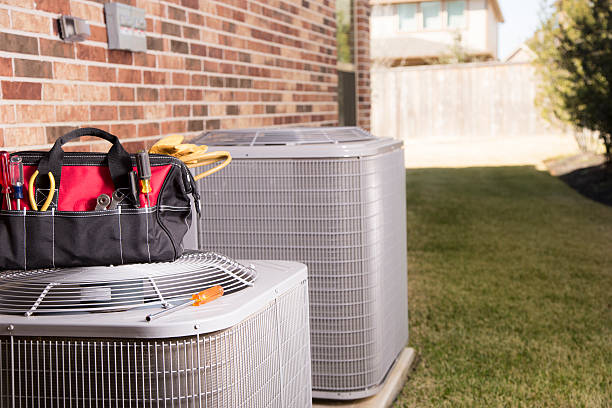
Installing High-Efficiency Equipment
Modern HVAC systems are designed to use less energy while providing superior performance. Contractors can install equipment with high Seasonal Energy Efficiency Ratio (SEER) ratings or Energy Star certifications. Common upgrades include:
– High-efficiency furnaces or air conditioning units
– Heat pumps with better Coefficient of Performance (COP) ratings
– Zoned HVAC systems that allow temperature control in specific areas of the home
These installations ensure your home uses only the energy it needs for heating or cooling purposes.
Sealing Duct Leaks
Leaky ductwork is a common issue that significantly reduces energy efficiency. A professional contractor will inspect for leaks and seal them using advanced materials to prevent loss of heated or cooled air during distribution. This ensures consistent airflow while reducing strain on the system.
| Issue | Impact | Solution |
| Leaky ductwork | Loss of conditioned air | Professional sealing |
| Poor insulation | Temperature fluctuations & inefficiency | Adding insulation materials |
Optimizing Thermostat Settings
Upgrading to a smart thermostat is another way contractors help improve efficiency. These devices allow you to:
– Program temperature settings around your schedule
– Monitor and adjust temperatures remotely via smartphone apps
– Track real-time energy usage for better decision-making
An optimized thermostat ensures you aren’t overcooling or overheating your space when it’s unnecessary.
Routine Maintenance Services
Regular maintenance is essential for keeping an HVAC system running efficiently year-round. Key services provided by contractors include:
1. Cleaning or replacing air filters to improve airflow
2. Lubricating mechanical parts to reduce friction
3. Checking refrigerant levels in cooling systems
4. Ensuring ventilation pathways are unobstructed
By performing these tasks routinely, contractors help prevent issues that could lead to reduced efficiency over time.
Benefits of Improved Energy Efficiency
Enhanced energy efficiency results in several advantages for homeowners: – Lower monthly utility bills due to reduced consumption – Increased comfort with consistent indoor temperatures – Prolonged lifespan of the HVAC system through reduced wear and tear – Positive environmental impact by decreasing carbon footprint
Investing in professional services from an HVAC contractor is an effective strategy to ensure your home remains energy-efficient while maintaining indoor comfort year-round without unnecessary expenses.
Recognizing Common Issues That Require Immediate Attention from an HVAC Contractor
Proper maintenance of your HVAC system is essential to ensure comfort, energy efficiency, and long-term operation. However, certain issues demand immediate attention from an HVAC contractor to prevent costly repairs or system failure. Below are some of the most common problems that require professional intervention.
Unusual Noises Coming from the System
Strange noises such as grinding, banging, or hissing are clear indicators of underlying issues in your HVAC system. These could be caused by:
– Loose or damaged components: A loose fan blade or dislodged part could create unusual sounds.
– Failing motor bearings: Grinding noises often point to worn-out motor parts that need replacement.
– Refrigerant leaks: Hissing sounds may indicate a refrigerant leak, which can affect cooling efficiency and pose health risks.
Addressing these noises early can prevent further wear and tear on the system.
Inconsistent Indoor Temperatures
If you notice uneven heating or cooling throughout your home, it might indicate a problem with:
– Blocked vents or ducts: Debris buildup can restrict airflow.
– Malfunctioning thermostat: A faulty thermostat can fail to regulate temperatures properly.
– Undersized equipment: Your current HVAC unit may not be sufficient for your space’s demands.
A professional contractor can evaluate these issues and recommend upgrades or repairs.
Increased Energy Bills
A sudden spike in energy costs without a change in usage patterns might signal inefficiencies within your HVAC system. These inefficiencies could stem from:
– Dirty air filters restricting airflow.
– Leaks in ductwork causing air loss.
– An aging unit running less efficiently than before.
An experienced contractor will diagnose the source of energy waste and provide solutions to restore efficiency.
Frequent Cycling On and Off
Short cycling occurs when your HVAC system turns on and off too frequently without completing a full heating or cooling cycle. This problem is often caused by:
– An oversized unit that doesn’t fit the space’s needs.
– Electrical issues within the unit’s components.
– Blockages in airflow leading to overheating.
Short cycling not only reduces indoor comfort but also increases wear on the equipment over time.
Poor Air Quality Indoors
HVAC systems play a vital role in maintaining good air quality inside your home. If you experience excessive dust accumulation, unusual odors, or higher humidity levels indoors, potential causes include:
| Problem | Potential Cause | Solution | |————————–|——————————————-|———————————–| | Dust buildup | Dirty filters or ducts | Replace filters; clean ductwork | | Persistent odors | Mold growth in ducts | Professional duct cleaning | | High humidity levels | Malfunctioning dehumidifier | Repair/replace dehumidifier |
Improper maintenance of ventilation systems can exacerbate these problems, making professional assessment crucial for healthy indoor environments.
Water Leaks Around Your System
Water pooling near your furnace or air conditioner could point to serious concerns like clogged condensate drains or refrigerant leaks leading to coil freezing and thawing cycles.
Ignoring this issue may result in water damage to surrounding areas as well as reduced performance of your HVAC system.
Recognizing these signs early on ensures timely repair by a qualified HVAC contractor, preventing further damage while enhancing system performance and longevity.
The Ultimate Guide to Choosing the Right HVAC Replacement for Your Needs
Replacing your HVAC system is a significant investment and requires careful consideration to ensure you choose the right system for your home or business. To make an informed decision, it’s essential to evaluate several factors that align with your specific needs and preferences. Below is a comprehensive guide to help you navigate this process effectively.
Assess Your Current HVAC System
- Is it more than 10-15 years old?
- Does it require frequent repairs?
- Are energy bills consistently increasing despite regular maintenance?
- Is it struggling to maintain consistent indoor temperatures?
If you answered “yes” to several of these questions, upgrading your system may be the most cost-effective and efficient solution.
Consider Energy Efficiency Ratings
| Metric/Criterion | What It Indicates | Recommended Standard |
| SEER (Seasonal Energy Efficiency Ratio) | Measures cooling efficiency | SEER 14 or higher for new systems |
| AFUE (Annual Fuel Utilization Efficiency) | Gauges heating efficiency | 90% or higher for top performance |
| ENERGY STAR Certification | Verifies energy-efficient models | Look for ENERGY STAR-labeled units |
Choosing high-efficiency options may cost more upfront but can save significantly on utility bills over time.
Evaluate System Size and Capacity
- Square footage of your home or business
- Number of windows and doors
- Insulation levels
- Local climate conditions
Proper sizing ensures your new system operates efficiently without unnecessary strain or wasted energy.
Choose Between Different System Types
- Central Air Conditioning Systems – Ideal for homes requiring consistent cooling throughout multiple rooms.
- Ductless Mini-Split Systems – Great choice if you want individual temperature control in specific zones.
- Heat Pumps – Provide both heating and cooling; suitable for moderate climates.
- Furnace & Air Conditioner Combos – Versatile option if separate heating/cooling equipment is preferred.
Evaluate which type aligns best with your home’s requirements and budget.
Budgeting For Your Replacement
- Request detailed estimates from multiple contractors.
- Factor in long-term savings from improved energy efficiency.
- Consider financing options offered by contractors or manufacturers.
Work With a Trusted HVAC Contractor
Finally, partnering with a reputable contractor ensures a smooth installation process and optimal performance of your new unit over its lifespan. Look for professionals who offer transparent pricing, warranties, proper licensing, and excellent customer reviews.
By carefully evaluating these factors during the decision-making process, you’ll select an HVAC replacement tailored to meet both immediate comfort needs and long-term goals efficiently.
- Identifying Common Air Conditioning Issues and How an HVAC Company Orlando, FL Can Assist
- How Hiring an HVAC Company Orlando, FL for Air Conditioner Replacement Can Reduce Energy Costs
- Identifying When You Need Orlando FL Air Conditioning Repair or a Full Replacement
- How an HVAC Company Orlando, FL Can Help When Your HVAC System Won’t Stay On
- Finding the Best HVAC Company Orlando, FL for System Replacement Needs
- Essential Reasons to Choose Orlando AC Service for Enhanced Comfort and Efficiency
- Tips to Avoid a Dirty Air Conditioner with Orlando AC Service
- The Evolution of Air Conditioning: How an HVAC Company Orlando, FL Can Bring You Modern Comfort
- Troubleshooting Tips from an HVAC Company in Orlando, FL for Air Conditioning Units That Cycle On and Off